
Be mindful of your skin!
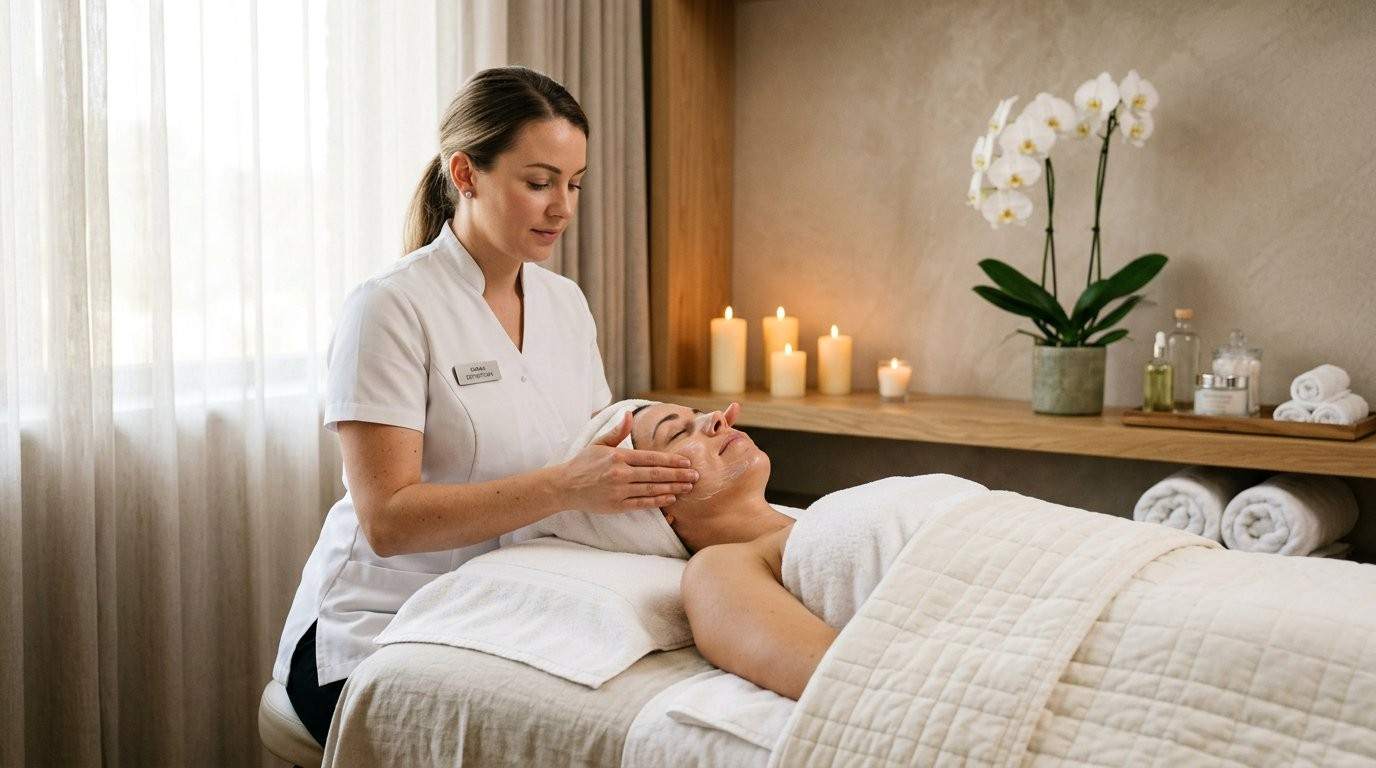
It is a crucial component of general health. It’s hard to avoid questions like what is a spa facial when dealing with your skin. Spa facials are an excellent method to keep your skin looking young and healthy. They provide a multitude of advantages. Among these are hydration, renewal, and treating certain skin issues.
Frequent spa facial treatments may help you achieve a youthful glow, reduce the appearance of wrinkles and fine lines, and improve your skin’s texture and tone. This spa facial guide is for anyone who has ever wondered what happens during a facial or how facials can improve your skin’s overall health.
Licensed estheticians treat the skin professionally with facials. They include massage, washing, exfoliation, and specific product applications based on your needs and skin type. Many people choose facials as part of a longer-term healthcare regimen in addition to the instant sense of renewed skin. Read more as we unveil everything you need to know before your first spa facial treatment.
What is a Facial Spa?
A spa facial is a series of steps meant to enhance your skin’s texture, health, and look. In contrast to at-home skincare, facials include cutting-edge products, expert equipment, and specific massage methods carried out by certified estheticians who evaluate the needs of your skin.
It involves several treatments such as chemical peels, facials, laser hair removal, micro-needling, neurotoxins and fillers, sunspot, lesion, and mole removal. Furthermore, it helps individuals actualize their goals, leading to a healthy lifestyle (which they have always desired), and increasing their self-esteem by making them appear as wonderful as they feel.
Types of Facial
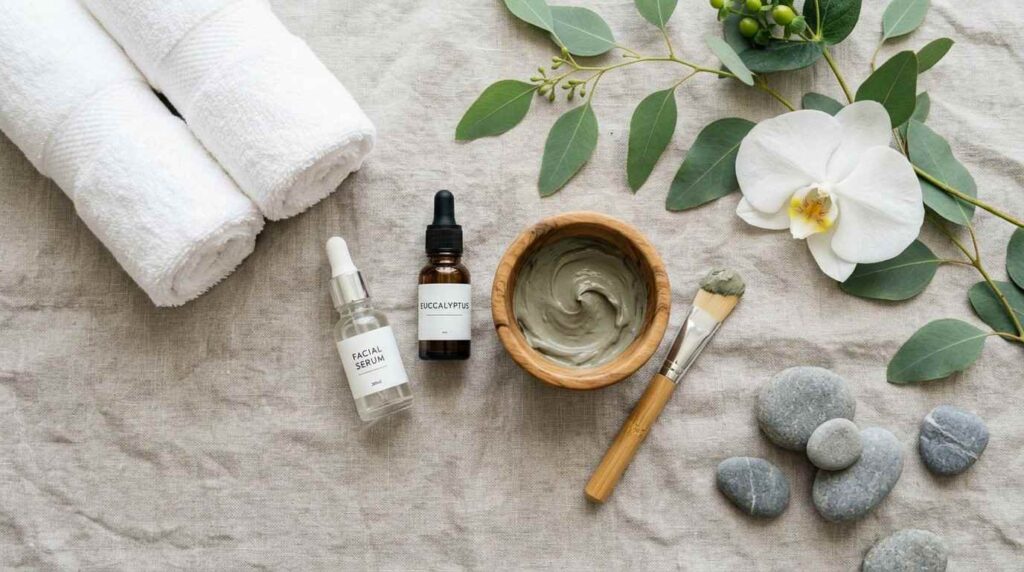
Typically, a facial treatment differs depending on the therapist. It might be as comprehensive as receiving a whole-body massage as part of the package, or it can be simpler. In general, a facial treatment consists of extraction, exfoliation, and steaming. Additional clinicians will use face massages, peels, and masks. Before we explore the steps to a spa facial treatment, let’s look at a few types of facial.
Classic Facial
For almost everyone, a traditional facial is a fantastic choice, particularly if you have never had one. This kind of service is intended to help skin feel and look better rather than focusing on a particular skin issue. Additionally, it can be tailored to fit any skin type.
Aromatherapy Facial
Like the other types, this facial use aromatherapy oils for additional advantages. The scents assist to calm the mind and revitalize the skin. You may do it at any time of year.
Anti-Aging Facial
Products with substances that effectively reduce the indications of aging are used in this facial. Women over 30 can have it done on a frequent basis for optimal outcomes because it is for aged skin. Interestingly, you can do this facial any time of the year.
Deep Cleansing Facials
Deep cleaning facials are perfect for people who have skin that is clogged or prone to acne. The goal of deep cleaning facials is to cleanse the skin by clearing the pores of dirt, excess oil, and pollutants. Normally, to encourage healthier and clearer skin, extractions, steam, purifying masks, and exfoliation are used.
Relaxing Facials
Relaxing facials cover fundamental skincare needs and encourage relaxation and stress alleviation with a focus on a calm and peaceful experience. To encourage a feeling of wellbeing and renewal, these facials involve mild washing, massage methods, and the use of soothing masks or serums.
Spa Facials vs Medical Facials: Understanding How They Differ
To understand what is a spa facial treatment, you need to know it is different from a medical facial. Spa and medical facials differ in how they address skincare requirements and how intense their treatment techniques are. The goal of spa facials is to treat general skincare requirements, including hydration, exfoliation, and renewal, while offering a soothing and luxurious experience. To improve wellbeing and encourage healthy skin, they employ non-invasive products and gentle treatments.
Qualified specialists carry out medical facials in clinical settings. They provide focused treatments for skin issues like pigmentation, acne scars, and indications of aging. These facials include cutting-edge procedures such as laser therapy, chemical peels, and microdermabrasion, which provide more thorough penetration and more pronounced effects.
Why Do People Get Spa Facials?
Improving the look of their skin is one of the most popular reasons individuals schedule a facial. Regular treatments can typically alleviate issues such as uneven tone, blocked pores, rough texture, and dullness. A facial can make the skin feel smoother and seem more radiant. After the procedure, a lot of people report seeing an instant glow.
Some people get facials to treat congestion and acne. Exfoliation and professional washing can help eliminate dead skin cells and excess oil that cause breakouts. Trying to squeeze out pimples at home is usually not as safe as having an esthetician do an extraction. Using the right method lowers the chance of discomfort and scars.
Anti-aging is what happens when you get a facial at a spa. Anti-aging is a key incentive for most people. The skin gradually loses suppleness, collagen, and hydration as we get older. Hydration, firming, and reducing the visibility of fine lines are the main goals of several facial treatments. A facial can make the skin look healthier and younger, but it cannot stop aging.
Additionally, stress alleviation should not be undervalued. There are several tense spots on the face, particularly in the areas of the jaw, forehead, and temples. These muscles may be relaxed, and a sensation of serenity can be fostered with a facial massage. For some, the psychological advantages outweigh the skincare outcomes.
How to Dress for a Facial Spa?
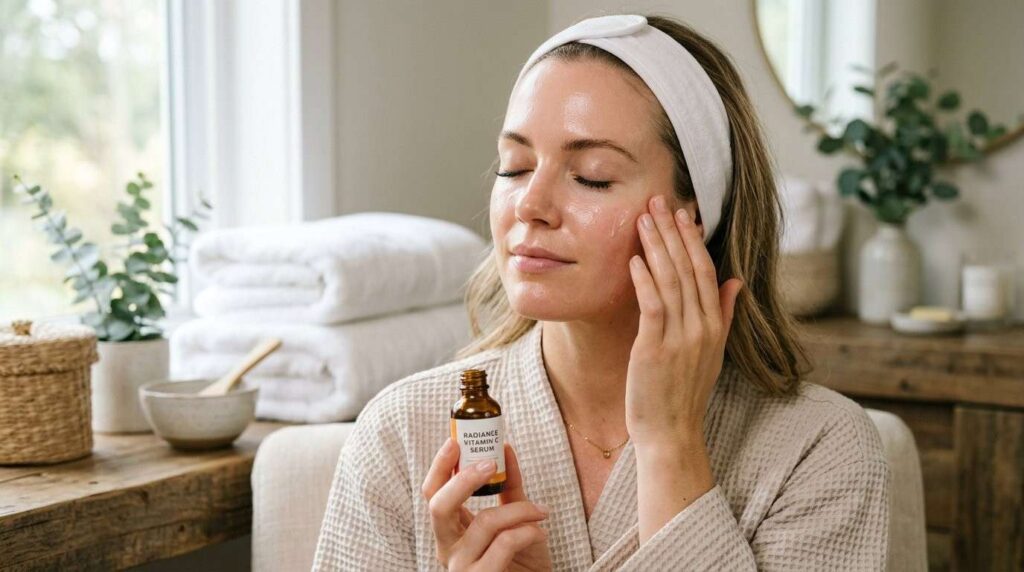
The most important rule of practice is to dress comfortably, but it really does not matter what you wear to your facial session because you will probably be requested to change into a gown or robe. Worden points out that before your facial begins, you must remove any necklaces or earrings that hang down.
Step-by-Step Guide on Performing a Facial Spa
With clarity on what is a spa facial, knowing what to anticipate might make you feel more at ease if you are thinking about scheduling your first facial. Most facials follow a standard procedure, but each spa may customize the experience you get depending on where you perform your facial spa. Understand that what is included in a spa facial treatment will always differ. Let’s look at the process of performing a facial spa.
Step 1: Preparation
One of the first things you should do to be ready for a facial depends on the location. After receiving a full body massage, some spas will need you to change into a comfortable robe. Some would only ask you to go to the treatment area, while others will give you a foot bath along with a shoulder massage.
One of your favorite moments is when the esthetician invites you to lie down on the bed and offers you a vigorous facial and shoulder massage, followed by the scent of calming oils like lavender. Generally, the preparation will vary depending on the product you have bought.
Step 2: Cleansing
Certain spas will require you to wash your face according to a set of guidelines using a certain soap. Some spas, for instance, will offer soaps for oily or dry skin. Alternatively, the esthetician may invite you to lie on a cozy bed while they cleanse your face.
Typically, this face washing is rather calming. Your esthetician will gently wash your skin with gentle, moderate strokes utilizing mild products. You get even more relaxed since it also acts as a massage.
Step 3: Exfoliation and Steaming
The purpose of exfoliation is to remove any dead skin cells that can give your skin a rough appearance. Furthermore, the esthetician will use a gentle chemical exfoliation, an enzyme treatment, or a scrub. All of this will depend on your skin type and the sensitivity level of the skin. This process helps produce fresher skin, which helps prevent any further harm to the skin.
Many spas use steam after exfoliating. Warm steam facilitates the removal of dirt from the pores and softens the skin. It may facilitate and improve the comfort of extractions. For many customers, steam also produces a delightful sensation of coziness and relaxation.
But not everyone gets steam. Avoiding high heat may be beneficial for those with rosacea, extremely sensitive skin, or other skin disorders. A skilled esthetician will modify the procedure as necessary. One of the most crucial elements of expert skincare is customization.
The skin frequently feels substantially smoother after exfoliating. For many customers, this is one of the first outcomes they notice right away. Additionally, if the skin is sensitive, it may seem somewhat pink. Usually fleeting, mild redness should go away fast.
Step 4: Extraction
The most difficult aspect of most facials is the extraction, which occurs after the steaming! But do not worry. It should not hurt if a gentle esthetician does it. Most folks really doze off throughout this process!
Blackheads, whiteheads, and moderate acne are among the skin pollutants that the cosmetologist will remove from your skin’s surface layer. The esthetician should suggest that a dermatologist remove anything that is excessively deep. Usually, they avoid touching acne that is going to explode or popping acne that is not ready.
Step 5: Finishing up
Once more, each spa uses a different approach. Some take a simple approach, covering your face with a cool cloth to seal the pores. Others will cover a gauze mask with a weak laser. Additionally, you will have the choice of face masks and chemical peels.
Precautions After Spa Facial
Don’ts
Do not touch your face or apply a lot of makeup. For a few days, avoid using toner. Additionally, take it easy when exercising and avoid scrubbing your face too hard when you perspire. Refrain from waxing or threading your face.
Dos
Put on sunscreen 20 to 30 minutes before going outside. Use one with a higher SPF and reapply every two hours of exposure during the day. To preserve your skin, use a serum that contains vitamin C. Choose mild moisturizers and hypoallergenic soaps.
Conclusion
Facials are a professional treatment that can help with skin care by offering relaxation, hydration, and cleaning. They are more than just a luxury. Knowing what is a spa facial, the procedure, and the advantages is crucial, whether you are thinking about getting a facial for the first time or are a student contemplating a career in skincare.