
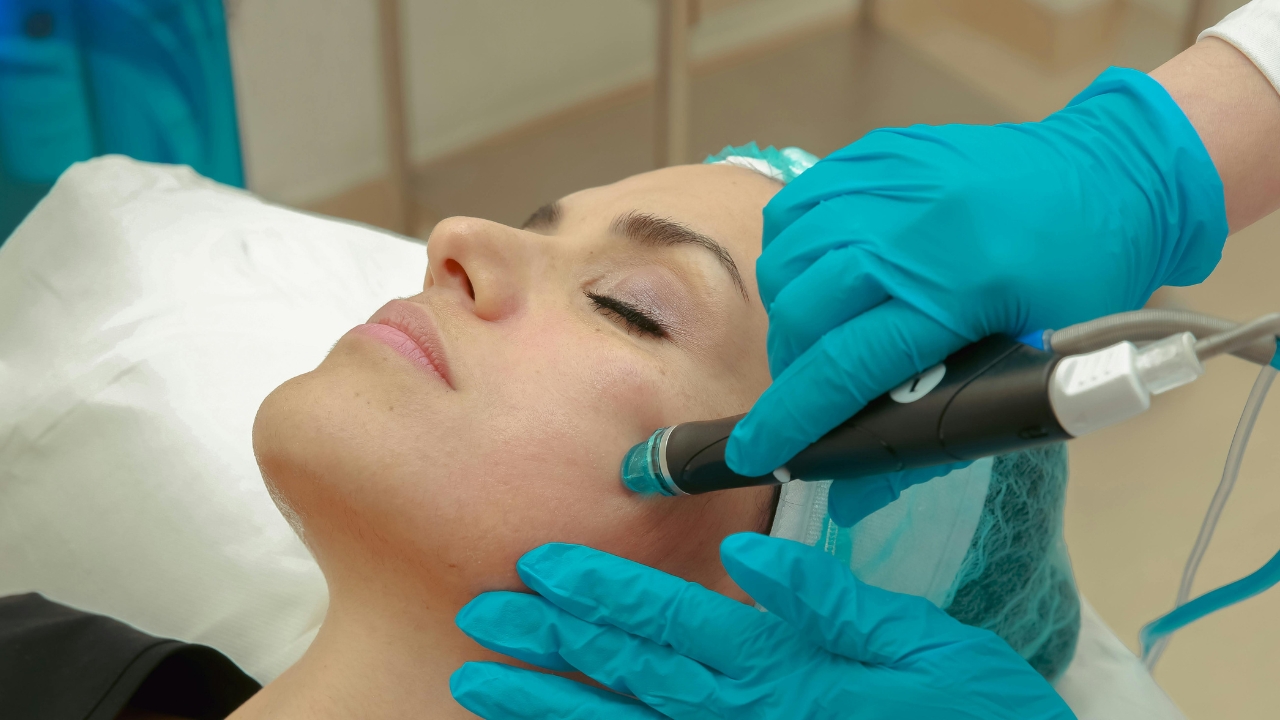
If you’ve ever walked out of a facial feeling wonderfully relaxed, only to notice that your stubborn dark spots or acne scars look exactly the same a week later, you’re not alone. That gap between “my skin feels nice” and “my skin actually changed” is where corrective skincare comes in. It’s a term you’ll hear more and more from estheticians and dermatology clinics, and for good reason: it describes a fundamentally different approach to treating the skin than the classic spa facial most of us grew up with.
In this post, we’ll break down what is corrective skincare, how it works, and how corrective skincare vs regular facial treatments compare, so you can decide which one your skin actually needs right now.
What Is Corrective Skincare, Exactly?
Corrective skin care is a results-driven approach that targets specific skin concerns at a deeper level than surface pampering. Instead of simply cleansing, exfoliating, and moisturizing, corrective treatments are designed to change how your skin behaves and repairs itself over time. Think of it as skincare with a treatment plan behind it rather than a single feel-good appointment.
The goal is always tied to a measurable concern. That might be hyperpigmentation and melasma, acne and post-acne scarring, fine lines and loss of firmness, enlarged pores, rosacea-prone redness, or uneven texture. A corrective program uses clinical-grade tools and active ingredients — things like chemical peels, microneedling, LED light therapy, dermaplaning, retinoids, and medical-strength exfoliating acids — to trigger real physiological change in the skin. These treatments work by stimulating collagen production, accelerating cell turnover, breaking up pigment clusters, or calming chronic inflammation, depending on what your skin needs.
Just as importantly, corrective skincare doesn’t end when you leave the treatment room. A proper corrective plan almost always includes a customized home routine, because the daily products you use between appointments do a huge amount of the heavy lifting. Your esthetician or provider will typically map out a series of sessions spaced weeks apart, adjust your homecare as your skin responds, and track progress with photos or skin analysis along the way.
If you’re considering professional corrective skincare treatments, a personalized consultation can help determine which combination of treatments and medical-grade skincare products will best address your unique skin concerns and long-term goals. corrective skin care must be in your routine for your 40s
What Happens During a Regular Facial?
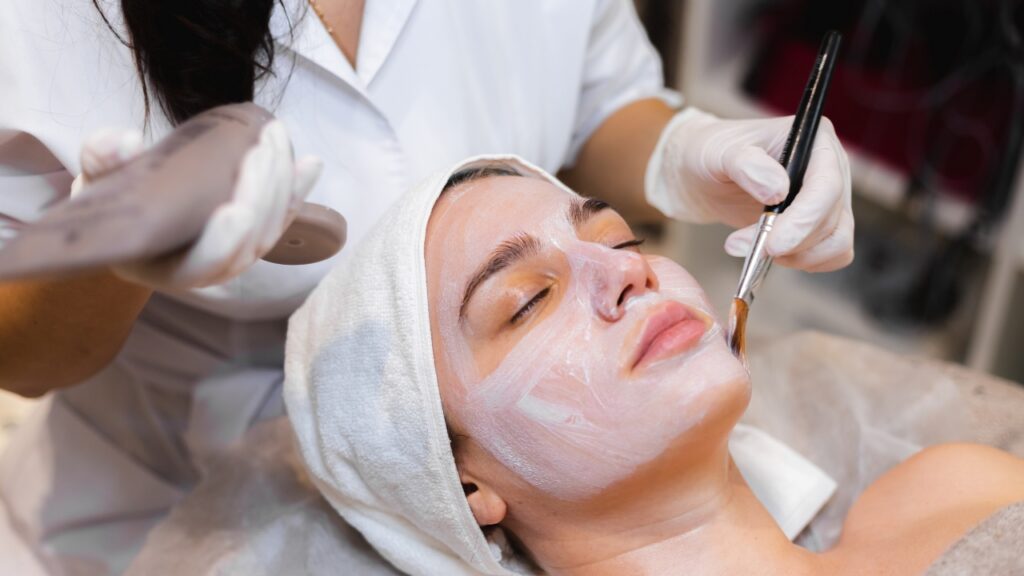
A regular facial, by contrast, is primarily about maintenance and relaxation. A typical session includes cleansing, gentle exfoliation, steam, extractions if needed, a mask suited to your skin type, and a finishing layer of serum, moisturizer, and SPF. Many facials also include a face, neck, or shoulder massage, which is honestly half the reason people book them.
There’s nothing wrong with any of this. A good facial leaves your skin clean, hydrated, and glowing for several days. It can temporarily improve circulation, soften the look of dry patches, and clear out congested pores. For someone with generally healthy skin who wants to maintain that healthy state and enjoy an hour of self-care, a monthly facial is a genuinely worthwhile habit.
The key word, though, is temporary. A standard facial works on the surface of the skin. It doesn’t meaningfully rebuild collagen, fade deep pigmentation, or remodel scar tissue, because it isn’t designed to. Expecting a classic facial to erase sun damage is a bit like expecting a car wash to fix a dent — it will look shinier, but the underlying issue stays put.
Corrective Skincare vs Regular Facial: The Key Differences
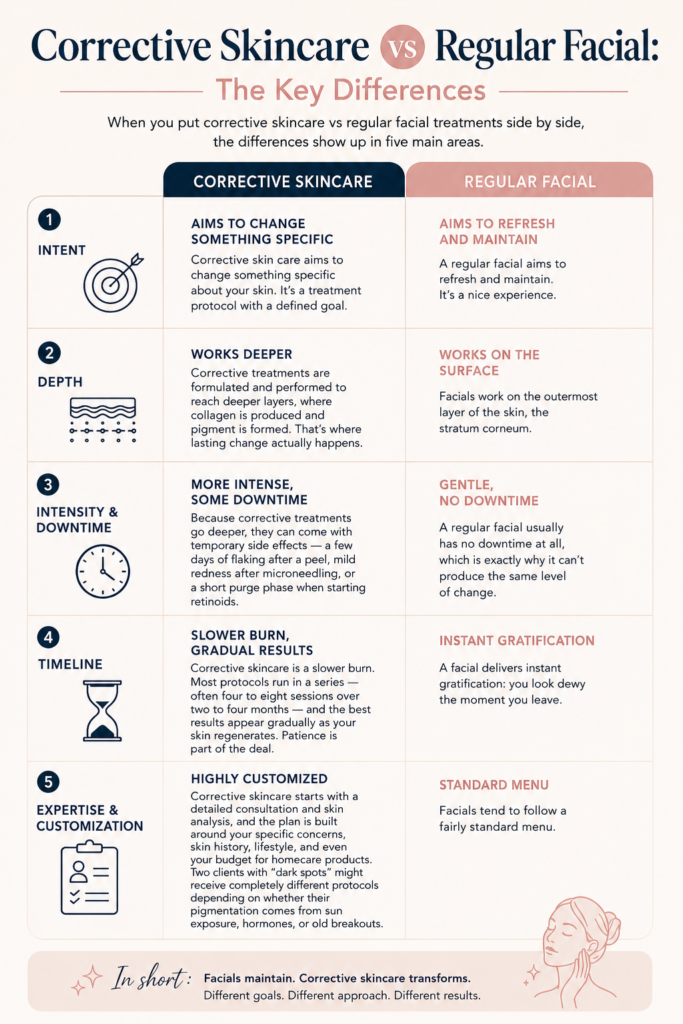
When you put corrective skincare vs regular facial treatments side by side, the differences show up in five main areas.
The first is intent. A regular facial aims to refresh and maintain, while corrective skin care aims to change something specific about your skin. One is a nice experience; the other is a treatment protocol with a defined goal.
The second is depth. Facials work on the outermost layer of the skin, the stratum corneum. Corrective treatments are formulated and performed to reach deeper layers, where collagen is produced and pigment is formed. That’s where lasting change actually happens.
The third is intensity and downtime. Because corrective treatments go deeper, they can come with temporary side effects — a few days of flaking after a peel, mild redness after microneedling, or a short purge phase when starting retinoids. A regular facial usually has no downtime at all, which is exactly why it can’t produce the same level of change.
The fourth is timeline. A facial delivers instant gratification: you look dewy the moment you leave. Corrective skincare is a slower burn. Most protocols run in a series — often four to eight sessions over two to four months — and the best results appear gradually as your skin regenerates. Patience is part of the deal.
The fifth is expertise and customization. Facials tend to follow a fairly standard menu. Corrective skincare starts with a detailed consultation and skin analysis, and the plan is built around your specific concerns, skin history, lifestyle, and even your budget for homecare products. Two clients with “dark spots” might receive completely different protocols depending on whether their pigmentation comes from sun exposure, hormones, or old breakouts.
Which One Do You Actually Need?
Here’s a simple way to think about it. If your skin is in decent shape and your main goals are glow, hydration, and stress relief, a regular facial is perfect. It’s also a great entry point if you’ve never had professional skincare before and want to see how your skin responds to being handled by a pro.
If, on the other hand, there’s a specific thing about your skin that bothers you every time you look in the mirror — melasma that makeup can’t fully cover, acne scars from your twenties, texture that’s gotten rougher with age — that’s a corrective skincare situation. No amount of monthly pampering will move the needle on those concerns, and continuing to book regular facials in hopes of fixing them usually just leads to frustration and wasted money.
The good news is that the two approaches aren’t mutually exclusive. Many people follow a corrective series to resolve a major concern, then transition to regular maintenance facials to protect their results. Others alternate: corrective treatments during the fall and winter (when there’s less sun exposure to complicate healing) and lighter facials through the summer.
A Few Honest Caveats
Corrective skin care is powerful, but it isn’t magic, and a trustworthy provider will tell you that upfront. Results depend heavily on consistency, sun protection, and following your homecare plan. Skipping SPF after a pigmentation-focused peel, for example, can undo weeks of progress in a single beach day. Corrective treatments also cost more than standard facials, both per session and across a full series, so it’s worth having a frank conversation about expected outcomes before you commit.
It’s also smart to check credentials. Deeper treatments carry more risk when performed incorrectly, especially on darker skin tones, which are more prone to post-inflammatory pigmentation if a peel or laser is too aggressive. Look for licensed estheticians with advanced training, or medical spas working under dermatologist supervision.
The Bottom Line
So, what is corrective skincare in one sentence? It’s professional skin treatment with a purpose — a structured, personalized plan that works beneath the surface to genuinely change your skin, rather than just polish it for a week. A regular facial keeps good skin looking good; corrective skincare takes problem skin and fixes it.
If you’ve been booking facials for years and quietly wondering why your main concern never improves, that’s your sign. Book a consultation, ask about a corrective plan, and give your skin the kind of attention that actually adds up over time.